


-

Add: HeBei ShengShi HongBang Cellulose Technology CO.,LTD.
-

Email
13180486930@163.com -

CONTACT US
+86 13180486930


Raw Materials for Synthetic Fibers An Overview Synthetic fibers have become an integral part of our daily lives, shaping industries ranging from fashion to automotive. These fibers are made from raw materials that have transformed textiles, offering durability, versatility, and a range of functionalities. To understand the production of synthetic fibers, it is essential to explore the various raw materials involved, the processes of transforming these materials, and their impact on the textile industry and the environment. Types of Raw Materials The production of synthetic fibers primarily relies on petrochemical products derived from crude oil. The two most common types of synthetic fibers are polyesters and polyamides, which are produced from specific raw materials. 1. Polyester The most widely used synthetic fiber, polyester, is typically made from polyethylene terephthalate (PET). PET is synthesized from two key raw materials terephthalic acid and ethylene glycol. Both of these compounds originate from crude oil, undergoing processes such as polymerization to create polyesters. Known for its strength and resistance to stretching and shrinking, polyester has become a popular choice in clothing, home furnishings, and industrial applications. 2. Polyamide (Nylon) Another significant synthetic fiber is polyamide, commonly known as nylon. The production of nylon involves raw materials like hexamethylenediamine and adipic acid, which can also be sourced from petroleum or derived from renewable resources. Nylon fibers are prized for their exceptional elasticity, strength, and abrasion resistance, making them ideal for products such as hosiery, activewear, and ropes. 3. Acrylic Acrylic fibers, often used as a wool substitute, are manufactured from polyacrylonitrile (PAN). The raw materials for PAN typically include acrylonitrile, which is derived from propylene—another byproduct of oil refining. Acrylic fibers are lightweight, soft, and exhibit good color retention, providing a popular choice in blankets, sweaters, and textiles. The Production Process Once the raw materials are sourced, the production of synthetic fibers generally involves several key steps polymerization, spinning, and finishing. raw material for synthetic fibers - Polymerization This process involves chemically reacting the raw materials to form long chains of molecules, known as polymers. Depending on the desired characteristics of the final product, variations in the chemical process can be implemented to achieve specific attributes, such as thickness and flexibility. - Spinning After polymerization, the resulting polymers are melted down and extruded through spinnerets, which are devices that create filaments. As the molten polymer passes through tiny holes, it cools and solidifies to form fibers. This spinning process can be done using different techniques, such as dry, wet, or melt spinning, each resulting in different types of fiber characteristics. - Finishing The final step in fiber production involves finishing processes that enhance the fiber's performance characteristics. This might include dyeing, texturing, or applying treatments that improve properties like water resistance or flame retardance. Environmental Considerations While synthetic fibers have revolutionized the textile industry, their production poses significant environmental challenges. The extraction and processing of petrochemical raw materials contribute to carbon emissions, pollution, and reliance on fossil fuels. Furthermore, synthetic fibers are not biodegradable, resulting in long-lasting waste in landfills and oceans. To address these concerns, there is a growing movement towards sustainable practices in synthetic fiber production. Innovations in recycling technologies are enabling the repurposing of old synthetic garments into new fibers. Brands are also exploring bio-based alternatives, using renewable resources such as corn starch or sugarcane to produce synthetic fibers, thus reducing their environmental footprint. Conclusion The journey of synthetic fibers from raw materials to finished products is a complex interplay of chemistry, engineering, and environmental considerations. As demand for these materials continues to grow, it is vital to find a balance between industrial benefits and ecological sustainability. By prioritizing innovation and responsible sourcing, the future of synthetic fibers may pave the way for a more sustainable textile industry, combining functionality with environmental stewardship.
- 40000tons

Production
- 20+years

Experience
- 5000+㎡

Acreage

-
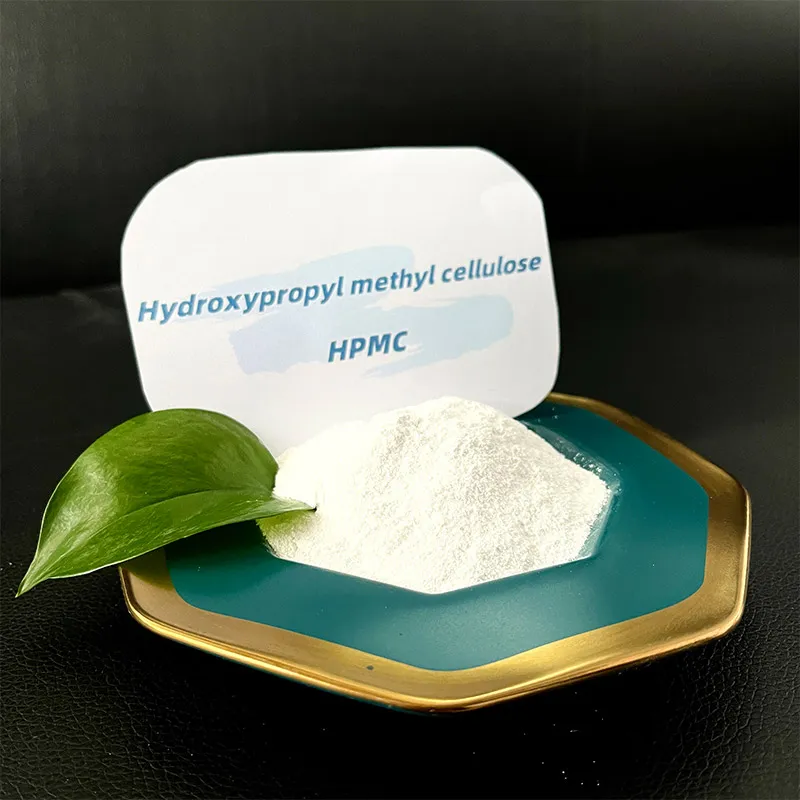
In the realm of pharmaceutical and food industries, Hydroxypropyl Methylcellulose (HPMC) has emerged as a pivotal component. Its Material Safety Data Sheet (MSDS) is an essential tool for experts aiming to ensure safe handling and application. Delving into HPMC’s characteristics, professionals establish its credibility, owing to its multifaceted applications and safety profile. HPMC, a non-ionic cellulose ether, boasts significant versatility as an excipient in pharmaceuticals, a stabilizer in food products, and a key ingredient in personal care items. The substance is renowned for its viscosity, thickening properties, and water solubility, making it indispensable in various industrial processes. With an MSDS, industries gain a comprehensive understanding of how to leverage HPMC without compromising safety or effectiveness. Professionals with experience in the pharmaceutical field recognize the critical role of HPMC in controlled release medication. Its ability to modulate drug release rates in hydrophilic matrices exemplifies advanced pharmaceutical technology. This expertise is supported by documented evidence, enhancing HPMC’s authoritative stance within the industry . An MSDS serves as a testament to such applications, detailing essential safety measures and best practices for utilization. From a food safety perspective, HPMC ensures that products maintain their stability and texture during storage and consumption. As a hydrocolloid, it acts as an emulsifier, suspending agent, and thickener, reflecting professional expertise in food science. To uphold authoritativeness, specialists consistently turn to MSDS documentation, as it guarantees adherence to safety and quality standards demanded by consumers and regulatory bodies alike. hpmc msds In personal care formulations, HPMC is trusted for its film-forming capabilities, promoting smooth application and moisture retention in products like lotions and shampoos. Its role in creating a pleasant user experience hinges on its unique chemical properties detailed within the MSDS. This document serves as a cornerstone of trust, assuring both manufacturers and consumers of the ingredient’s safety and efficacy. Adhering to safety practices delineated in an MSDS is non-negotiable for ensuring HPMC’s responsible application. This document details critical information about storage conditions, handling precautions, and emergency procedures. By meticulously following these guidelines, industries can bolster their trustworthiness amongst stakeholders, thereby reinforcing their reputation and adherence to global safety standards. Equipped with expertise, authority, and empirical data, specialists across sectors depend on the MSDS of HPMC to make informed decisions. This reliance illustrates an earnest commitment to maintaining high standards of application, safety, and effectiveness. As a key contributor to innovation and quality, HPMC continues to influence the future of multiple industries, sustained by the confidence provided through comprehensive safety data. In summary, the significance of HPMC’s MSDS extends beyond regulatory compliance; it underpins the integrity of its applications across diverse domains. Ensuring a seamless blend of experience, expertise, authority, and trustworthiness, the document builds a robust framework for responsible usage and continuous innovation. As industries continue to evolve, the MSDS remains a critical resource, facilitating the safe and effective integration of HPMC into new and existing products.
-
Dans le monde numérique compétitif d'aujourd'hui, trouver un numéro de contact fiable pour des produits essentiels comme l'HPMC (Hydroxypropyl Methylcellulose) est crucial pour de nombreuses entreprises industrielles et scientifiques. L'HPMC est un polymère utilisé dans des domaines variés allant de la construction à la pharmaceutique, grâce à ses propriétés de rétention d'eau et épaississantes. Avec des années d'expérience dans l'optimisation des moteurs de recherche, je peux affirmer que l'accès à des informations exactes et fiables concernant les fournisseurs d'HPMC est essentiel pour garantir une continuité opérationnelle et une qualité de produit irréprochable. Un numéro de contact clair et accessible est la première étape pour établir une communication fluide avec un fournisseur de confiance . C'est pourquoi les entreprises doivent accorder une attention particulière aux détails des points de contact dans leurs recherches en ligne. L'HPMC joue un rôle essentiel dans la production de médicaments en tant qu'agent d'enrobage et de liaison, garantissant ainsi la libération contrôlée des principes actifs. Dans le secteur alimentaire, il agit comme un stabilisant pour assurer la consistance et la texture des produits. Pour les applications industrielles, l'HPMC est un composant crucial dans la formulation de peintures et adhésifs, où il améliore la viscosité et l'adhérence. Ces fonctions diversifiées font de l'HPMC un produit hautement recherché, nécessitant des informations fiables et détaillées sur l'approvisionnement. L'expertise est cruciale pour comprendre le marché de l'HPMC et identifier des fournisseurs crédibles. Les experts recommandent de prêter attention à la qualité des produits proposés et aux certifications obtenues par le fabricant. Des certifications internationales telles que ISO 9001 attestent de la qualité de fabrication et du respect des normes, étayant ainsi la crédibilité du fournisseur. La recherche d'un contact direct par le biais d'un numéro de téléphone vérifié permet non seulement d'obtenir des informations en temps réel mais également d'établir une relation professionnelle fructueuse et durable. Numéro de contact hpmc En tant que spécialiste du référencement, j'entends souvent des inquiétudes concernant la fiabilité des informations de contact trouvées en ligne. La vérification des numéros de contact sur les sites officiels du fabricant ou via des annuaires d'entreprises spécialisés est une étape primordiale pour garantir l'exactitude des informations. Il est conseillé de croiser ces informations avec des plateformes de revue d'entreprise pour s'assurer de la réputation du fournisseur et ainsi instiller un climat de confiance mutuelle. Dans cette dynamique, la confiance joue un rôle pivot. Un fournisseur transparent quant à ses procédés de fabrication, qui offre un service clientèle facilement accessible et réactif, contribue à instaurer une relation de confiance. En cas de doute, le recours aux avis de clients précédents ou aux témoignages sur des forums professionnels peut s'avérer inestimable. Au-delà des aspects purement transactionnels, l'établissement d'un contact avec le fournisseur d'HPMC peut également offrir un aperçu des tendances du marché et des innovations à venir dans le domaine. Les entreprises à la pointe de la technologie partagent souvent des informations sur les développements futurs qui peuvent influencer les stratégies commerciales. Cela peut être un atout supplémentaire pour les entreprises cherchant à rester à l'avant-garde de l'industrie. En résumé, obtenir le numéro de contact approprié pour un fournisseur d'HPMC est une tâche qui nécessite une approche précautionneuse, mêlant expertise et diligence. Une fois établi, ce contact peut devenir un pilier central pour assurer une chaîne d'approvisionnement sans faille et une qualité de produit optimale. Il est crucial de ne pas sous-estimer la valeur d'une communication fluide et ouverte avec votre fournisseur, car cela peut significativement impacter la réussite à long terme de vos opérations commerciales.
advantages
-

200000 Viscosities
Excellent product
We can produce pure products up to 200,000 viscosities
-

40000 tons
High yield
We don’t stop production all year round, and the annual output can reach 40,000 tons
-

24 hours
Quality service
We provide 24-hours online reception service, welcome to consult at any time
———— Inquiry Form
Schedule A services



-
 hpmc_k100m_viscosity
Oct . 25, 2025
In the realm of ocular health, the challenge of maintaining eye moisture has garnered immense attent - long_glass_fiber_polypropylene
Oct . 25, 2025
On the previous day, the technical team of the company convened at the office to conduct a comprehen -
 hpmc_k200m
Oct . 25, 2025
Hydroxypropyl Methyl Cellulose (HPMC) has gained a solid reputation in various industries due to its


